Root Canal Therapy in North Dallas
Reviewed by Dr. Ron Katyal, DDS · Updated October 8, 2026

A root canal removes infected or inflamed nerve tissue from inside a tooth, then cleans and seals the canals so the tooth can be saved instead of pulled. Most root canals at Premier Smiles are finished in one or two visits under local anesthetic and feel similar to getting a filling.
Root canal therapy, also known as endodontic treatment, is a procedure that is done in order to clear out infection and protect the tooth from any future problems. This is perhaps one of the most misunderstood procedures in dentistry, as many people envision a painful, invasive surgery. However, root canal therapy has undergone numerous important advancements and is today both minimally invasive and typically pain-free.
Here at Premier Smiles, Dr. Ron Katyal and his entire North Dallas team strive to provide painless dentistry. When you choose Dr. Katyal as your dentist, you can rest assured that he will not recommend anything that is not absolutely necessary for your oral health.
Root canal therapy may be necessary if a tooth has cracked or has a deep cavity, as bacteria can enter the pulp tissue and lead to an infection deep inside the tooth. If left untreated, an abscess can form, leading to a very painful situation, and can cause damage to the bone around the tooth as well. Dr. Katyal has been working in cosmetic and family dentistry for more than 26 years and has performed countless pain-free root canals.
Do I Need Root Canal Therapy?
Root canal therapy requires Dr. Katyal to open up the tooth, remove the damaged pulp, and then clean, shape, fill, and seal the tooth. While this may seem like a daunting and lengthy procedure, modern technology has made it rather quick. There are many different reasons Dr. Katyal may recommend root canal therapy, including the following:
- You have a deep cavity
- You have a broken, chipped, or cracked tooth
- You have sustained an injury or trauma to the tooth
- You have undergone repetitive dental procedures, which have led to damage to the tooth
Root canal therapy is quite common and performed at Premier Smiles on a regular basis. We believe in educating our patients and working closely with them to ensure they fully understand the ‘why’ behind the treatment Dr. Katyal suggests, with honest pricing and a comfortable experience every step of the way.
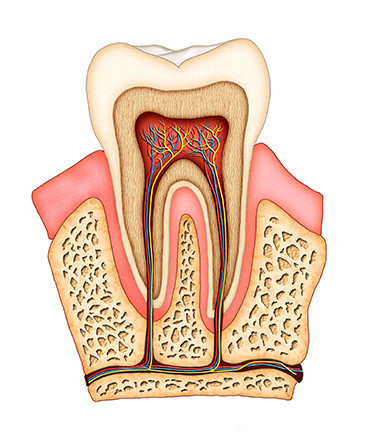
Signs You May Need a Root Canal
- Sensitivity to hot or cold that lingers after the food or drink is gone
- Sharp pain when you bite or chew
- Swelling, or a pimple-like bump on the gum near the tooth
- A tooth that has darkened or turned gray
- Deep decay or a crack that reaches the nerve
Sometimes an infected tooth causes no pain at all and only shows up on an X-ray, which is one more reason regular exams matter.
What Happens During Treatment
Dr. Katyal numbs the tooth and isolates it with a small rubber shield to keep it clean and dry. He makes a small opening, removes the damaged nerve tissue, cleans and shapes the canals, then fills and seals them. Dr. Katyal has advanced training in endodontics, so most root canals are completed right here in our office rather than referred out. Back teeth usually need a crown afterward to protect them from cracking.
Root Canals and Retreatments In-Office
At Premier Smiles, Dr. Katyal performs the majority of root canals and root canal retreatments right here in our office. That means no referral to another practice, no unfamiliar faces, and your treatment stays with the dentist who already knows your history.
“Most of my patients never have to go anywhere else for a root canal or a retreatment. They get treated in the same office, by someone they already know.”
— Dr. Ron Katyal, DDS
Recovery After a Root Canal
The tooth may feel tender for a few days. Over-the-counter pain relievers usually handle it. Avoid chewing hard foods on that side until the permanent filling or crown is in place, and call us if swelling increases or pain gets worse instead of better.
Root Canal Cost and Insurance
The fee depends mostly on which tooth is treated — front teeth have fewer canals than molars — and whether a crown is needed afterward. Many dental plans cover part of root canal therapy. Saving your natural tooth also usually costs less over time than an extraction followed by an implant or bridge. We provide an estimate up front, and CareCredit and Cherry can spread the cost out.
Root Canal Therapy — Frequently Asked Questions
Is a root canal painful?
With modern anesthetic, most patients say a root canal feels about the same as a filling. The procedure relieves the pain caused by the infection. Nitrous oxide, oral sedation, and IV sedation are available for anxious patients.
Will I be referred out for a root canal?
In most cases, no. Dr. Katyal performs the majority of root canals and root canal retreatments in-office at Premier Smiles, so you can complete treatment with a dentist you already know.
Is it better to pull the tooth instead?
Keeping your natural tooth is almost always the better choice when it can be saved. An extracted tooth should be replaced to prevent shifting and bone loss, which adds time and cost.
How long does a root canal last?
A well-done root canal with a proper crown can last for many years, often a lifetime.
What if my tooth starts hurting suddenly?
Call (972) 235-7060. We offer same-day emergency appointments whenever possible for severe tooth pain and swelling.